


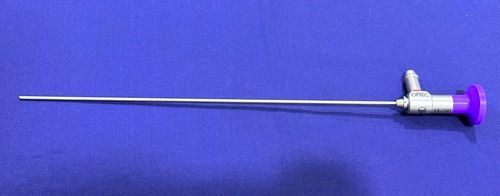
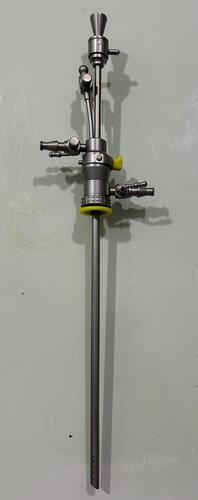
Hysteroscope 2.9mm 30degree
60000 INR/तुकडा
उत्पादन तपशील:
- इन्स्ट्रुमेंट
- प्रकार
- साहित्य
- अट
- तंत्रज्ञान
- पोर्टेबल
- रिचार्जेबल
- अधिक पाहण्यासाठी क्लिक करा
X
किंमत आणि प्रमाण
- 1
उत्पादन तपशील
- Hysteroscopy Surgery
- Hospital
व्यापार माहिती
- प्रति महिना
- दिवस
- CARDBOARD BOX
- ISO 13485. MD 5, MD 42
उत्पादन वर्णन
A hysteroscope is a medical instrument used for visual examination of the inside of the uterus (womb). It is a thin, telescope-like device inserted through the cervix into the uterus. The hysteroscope provides direct visualization of the uterine cavity, allowing doctors to diagnose and treat various gynecological conditions.
Common uses of a hysteroscope include:
-
Diagnosis:
- Abnormal Uterine Bleeding: To investigate the cause of irregular or heavy menstrual bleeding.
- Uterine Fibroids: To detect the presence of fibroids (non-cancerous growths).
- Polyps: To identify uterine polyps or other abnormal growths.
- Recurrent Miscarriages: To look for structural abnormalities that might contribute to pregnancy loss.
- Infertility Assessment: To evaluate issues related to infertility, such as the shape and condition of the uterus.
-
Surgical Procedures (Operative Hysteroscopy):
- Removal of Polyps or Fibroids: Hysteroscopic surgery allows the removal of polyps and small fibroids.
- Endometrial Ablation: Treatment of heavy menstrual bleeding by removing or destroying the lining of the uterus.
- Adhesion Removal (Asherman's Syndrome): To treat uterine adhesions that can affect fertility or menstrual cycles.
- IUD Retrieval: Removal of a misplaced intrauterine device (IUD).
It is a minimally invasive procedure that is commonly performed in an outpatient setting.
Product details
|
Usage/Application |
Hospital |
|
Automation Grade |
Manual |
|
Set Contains |
Telescope |
|
Brand |
Optec |
|
Material |
Stainless Steel |
|
श्रेण्या |
Hysteroscopes |
|
Sterility |
Non Sterile |
|
Type |
Rigid |
Tell us about your requirement

Price: Â
Quantity
Select Unit
- 50
- 100
- 200
- 250
- 500
- 1000+
Additional detail
मोबाईल number
Email

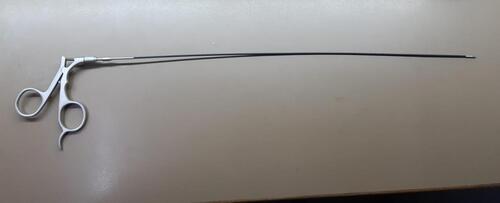
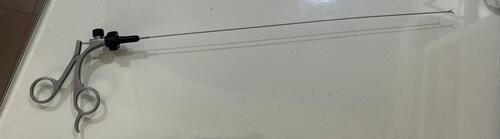
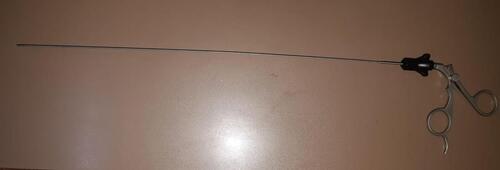
Hysteroscopy Instruments मध्ये इतर उत्पादने


 चौकशी पाठवा
आमची उत्पादने


Ms Vidita Kalwankar
(Managing Director)
मोबाईल :08045475711
 चौकशी पाठवा
 एसएमएस पाठवा
 मला मोफत कॉल करा
 |
V. K. Endoscope Private Limited
सर्व हक्क राखीव.(वापरण्याच्या अटी) इन्फोकॉम नेटवर्क प्रायव्हेट लिमिटेड . द्वारे विकसित आणि व्यवस्थापित |
